

A New Führer, the Same Confusion


Leadership may have changed, but confusion remained remarkably consistent.
Following Adolf Hitler’s execution, General Walther Wench was appointed as Germany's new Führer with promises of a “new form of leadership”. On paper, it sounded like the beginning of a new chapter. Inside the bunker, however, the committee painted a very different picture.
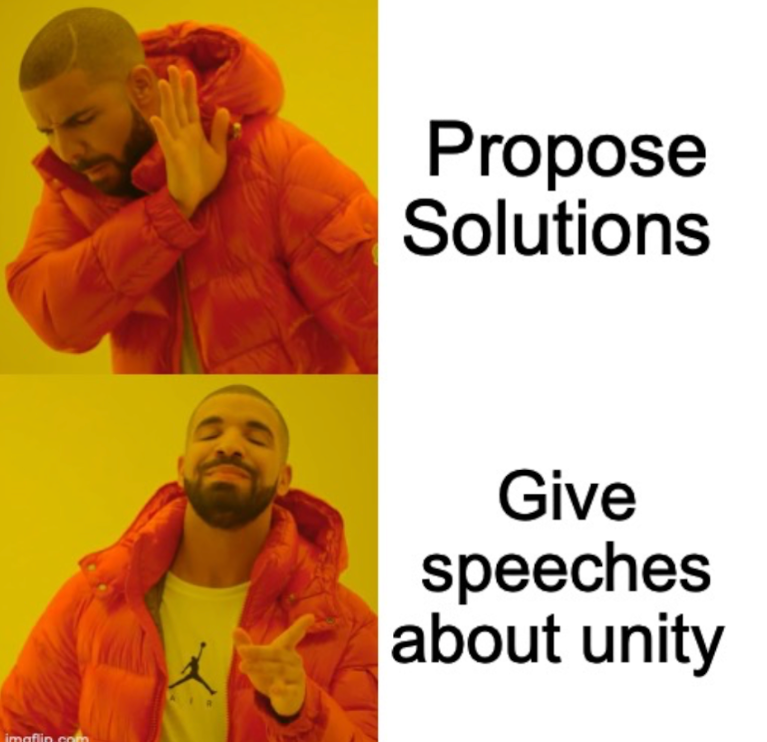
Ironically, the first challenge facing the new leadership was not rebuilding Germany, but finding people to speak. So a few delegates volunteered for the General Speaker’s List that the dais eventually had to add delegates themselves. If confidence in the new government was meant to be demonstrated through active participation, the silence spoke louder than any speech.
Nevertheless, the new administration pressed ahead. Plans were proposed to relocate
operations to the mountains, investigate recent events, communicate with new allies, and issue a press release reassuring the public. Delegates argued that requesting additional resources might create unnecessary panic, insisting that Germany was “not in desperate need”, instead the public simply needed time to adjust.
The new Führer also maintained that there was little need to prove himself to the German people.
“Hitler had chosen me.”
Being chosen by Hitler may have justified the appointment, but it did little to reassure a
committee searching for decisive leadership. In the face of Germany’s worsening military
situation, delegates needed more than inherited authority.
A new Führer may have entered the bunker, but leadership was still nowhere to be found.
Prénjuhl Jenn,
Politico Europe


Comments